National Budget Speech: Decoding Key Takeaways for Taxpayers
Lesedi Dlamini decodes the National Budget Speech. Discover key takeaways for taxpayers, from bracket creep and sin taxes to social grants and the impact on your wallet in 2026.
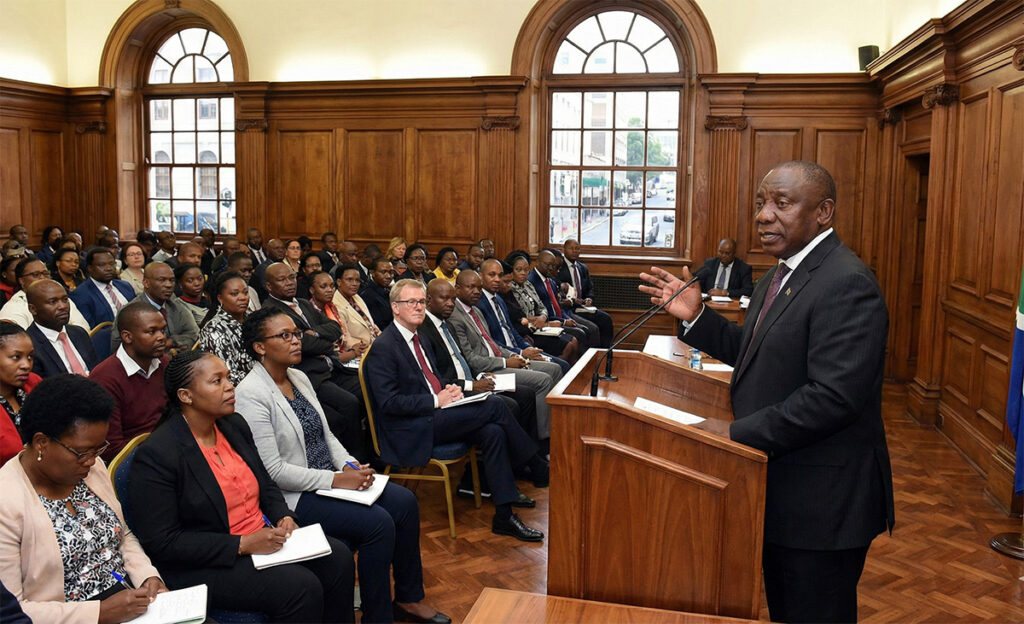
Every February, a hush falls over the South African economy. From the bustling streets of Johannesburg to the parliamentary precinct in Cape Town, the nation tunes in to hear the Minister of Finance deliver the National Budget Speech. For many, this speech is a confusion of billions, trillions, and percentages. But for the “Economic Translator,” it is the most important day of the year. It is the day the government opens its books and tells us exactly how much of our hard-earned money it plans to take—and where it plans to spend it.
The National Budget Speech is not just for economists and CEOs. It is the definitive “State of the Wallet” address for every citizen. Whether you are a student relying on NSFAS, a grandmother on a SASSA grant, or a middle-class taxpayer worried about the price of petrol, the decisions announced in this speech determine your disposable income for the next twelve months.
In this comprehensive guide, part of our broader South Africa Economic Overview, we strip away the political rhetoric and the complex accounting jargon. We decode the “Budget” to reveal exactly what it means for your tax return, your grocery bill, and your future.
What is the National Budget Speech?
Think of the South African government as a giant household. Like any household, it earns money (Revenue) and it spends money (Expenditure).
- Revenue: This comes primarily from taxes—Personal Income Tax (PIT), VAT, and Corporate Tax collected by the South African Revenue Service (SARS).
- Expenditure: This is spent on “items” like education, healthcare, police, and social grants.
The National Budget Speech is the annual family meeting where the “head of the household” (The Minister) explains if we earned enough to cover our bills. Usually, the answer is “no,” which leads to the Budget Deficit—the gap between what we earn and what we spend. To close this gap, the government must borrow money, adding to our national debt.
Lesedi’s Economic Insight: The Credit Card Trap
Imagine you earn R20,000 a month but you spend R25,000. You have a “deficit” of R5,000. To survive, you put that R5,000 on a credit card. You can do this for a few months, but eventually, the interest payments on the credit card become so high that you can’t afford to buy food. This is exactly the trap the National Treasury is trying to avoid.
Personal Income Tax (PIT): The “Bracket Creep” Danger
For individual taxpayers, the most critical part of the National Budget Speech is the announcement regarding tax brackets. South Africa has a progressive tax system, meaning the more you earn, the higher percentage of tax you pay (up to a marginal rate of 45%).
However, the real danger isn’t always a “tax hike”—it is something called Fiscal Drag or “Bracket Creep.”
What is Bracket Creep?
If you get a salary increase of 5% to keep up with inflation, you feel like you are standing still financially. However, if the Minister does not adjust the tax brackets by that same 5%, your salary increase might push you into a higher tax bracket.
- The Result: You earn more “paper money,” but you pay a higher percentage to SARS. In real terms (purchasing power), you are actually poorer.
- The 2026 Outlook: Watch closely to see if the Minister provides “inflationary relief” by adjusting the tax tables. If he leaves them unchanged, it is a “stealth tax” on your income.
The “Sin Taxes”: Alcohol and Tobacco
It is a tradition as old as the budget itself: the rise in excise duties, commonly known as “Sin Taxes.” The government targets products that are harmful to health—alcohol, cigarettes, and increasingly, sugary beverages (the Health Promotion Levy).
While these increases are often justified by health reasons, they are also a reliable source of revenue because demand for these products is “inelastic” (people tend to buy them even when the price goes up).
- For the Consumer: Expect to pay more for your beer, wine, and spirits immediately after the speech.
- The Vaping Tax: In recent years, electronic cigarettes and vape products have been brought into the tax net. Expect this trend to continue as the government seeks new revenue streams.
Fuel Levies: The Road Accident Fund (RAF)
Motorists dread the National Budget Speech because it often brings bad news for the petrol price. The pump price isn’t just about oil; it includes the General Fuel Levy and the Road Accident Fund (RAF) levy.
- General Fuel Levy: A tax that goes into the general pot to run the country.
- RAF Levy: A specific tax used to compensate victims of road accidents.
In 2026, the RAF remains under severe financial pressure. The Minister often faces a difficult choice: hike the RAF levy (making petrol more expensive for everyone) or bailout the fund using other tax revenue. For commuters and logistics companies, any increase here drives up the cost of living instantly.
Social Grants: The “Social Wage”
South Africa has one of the most extensive social welfare systems in the world. For millions, the National Budget Speech is about survival. The announcements regarding the Old Age Grant, Child Support Grant, and the SRD (Social Relief of Distress) Grant determine the level of poverty relief for the year.
The “Social Wage”—which includes free healthcare, free education, and grants—is a massive portion of government spending.
- The Balancing Act: The Minister must balance the need to support the vulnerable (increasing grants by at least inflation) against the reality that the tax base (the people paying for the grants) is shrinking relative to the population.
Debt Service Costs: The Scariest Number
If you only remember one number from the National Budget Speech, make it this one: Debt-Service Costs. This is the amount of money we pay just to cover the interest on our national debt.
In recent years, debt-service costs have become one of the largest items in the budget, often exceeding what we spend on the Police or Health.
- The Crowding Out Effect: Every billion Rands we pay to bondholders is a billion Rands we cannot spend on fixing potholes, building clinics, or hiring teachers.
- The Goal: The National Treasury is desperate to achieve a “primary surplus” (earning more than we spend before interest) to stop this debt snowball from crushing the economy.
Impact on Business: Corporate Tax and Incentives
For business owners, the budget sets the tone for investment.
- Corporate Income Tax (CIT): Currently stabilized around 27%, business leaders watch for any changes or “windfall taxes” on specific sectors (like mining).
- Incentives: The speech often highlights tax breaks for specific behaviors, such as the Section 12B allowance for renewable energy (solar) investments. In 2026, look for incentives related to the “Green Economy” and electric vehicle manufacturing.
Impact Analysis: The Budget vs. Your Reality
National Budget: The Fine Print vs. Your Payslip
| Budget Announcement | What it Means (Macro) | The Impact on You (Micro) |
|---|---|---|
| No Tax Bracket Adjustment | Gov collects more revenue without raising rates. | Fiscal Drag: Your pay buys less; you pay more tax on inflation raises. |
| Fuel Levy Hike | Increased funding for RAF/Treasury. | Cost Spike: Higher petrol price pushes up food & transport costs. |
| Grant Increases | Social stability; support for the poor. | Social Relief: Help for dependents; pressure on tax base. |
| Solar Tax Incentives | Push for green energy. | Tax Back: Deductions if you install solar panels. |
Practical Steps: How to “Budget-Proof” Your Finances
You cannot change the National Budget Speech, but you can change how you react to it.
- Review Your Salary Structuring: If tax brackets are not adjusted, speak to a financial adviser about maximizing your tax-deductible contributions (like Retirement Annuities or Medical Aid credits) to lower your taxable income.
- Anticipate “Sin” Inflation: If you smoke or drink, budget for the inevitable price hike in March/April.
- Track the “Hidden” Taxes: Be aware that indirect taxes (like fuel levies and sugar tax) eat into your monthly budget. Adjust your household spending plan to accommodate these subtle increases.
- Invest in Tax-Free Savings Accounts (TFSA): The government allows you to invest a certain amount (currently R36,000 per year) completely tax-free. Maximize this allowance to protect your future wealth from the taxman.
FAQ: Decoding the Minister’s Jargon
1. What is “Fiscal Consolidation”?
This is fancy talk for “cutting costs.” It means the government is trying to reduce its spending (freezing government wages, cutting waste) to reduce the deficit.
2. What is a “Revenue Overrun”?
Sometimes, SARS collects more tax than they expected (usually due to high mining profits). This is “extra cash” or a revenue overrun. The big debate is always: should we spend it (on grants) or save it (pay down debt)?
3. Why doesn’t the government just print more money?
Printing money without economic growth leads to hyperinflation (think Zimbabwe or Venezuela). The value of the Rand would collapse, and prices would skyrocket. The Budget Speech is about managing real money, not printing paper.
The State of Our Nation
The National Budget Speech is a mirror. It reflects our priorities, our failures, and our hopes. While it is easy to get angry about “Sin Taxes” or depressed about the debt, the budget also highlights the resilience of the South African tax base and the sophisticated machinery of our National Treasury.
For the “Economic Translator” in you, the key takeaway is awareness. By understanding where the money comes from and where it goes, you can better navigate the economic tides of 2026. Whether it’s maximizing your tax deductions or adjusting your household budget for fuel hikes, knowledge is your best defense against the “State of the Wallet.”
As we digest the numbers, remember to look at the bigger picture. For a deeper understanding of how these fiscal policies connect to the broader economy, be sure to read our South Africa Economic Overview.