Car Insurance Essentials: Comprehensive vs. Third-Party Only

Driving in South Africa carries real risks, from theft to road hazards. This guide compares comprehensive and third-party cover so you can choose the right protection for your budget.
Yet, shockingly, it is estimated that around 70% of cars on South African roads are uninsured.
That statistic should scare you. If one of those 70% crashes into you, you are on your own. And if you crash into a fancy Mercedes-Benz or a delivery truck without insurance, you could be paying off that debt for the rest of your life.
I’m Nolan, and I’m here to tell you that insurance isn’t just a grudge purchase; it’s a shield for your future wealth. You cannot claim to be mastering personal finance in SA if one car accident has the power to bankrupt you. Today, we are going to break down the confusing world of car insurance so you can choose the right cover without overpaying.
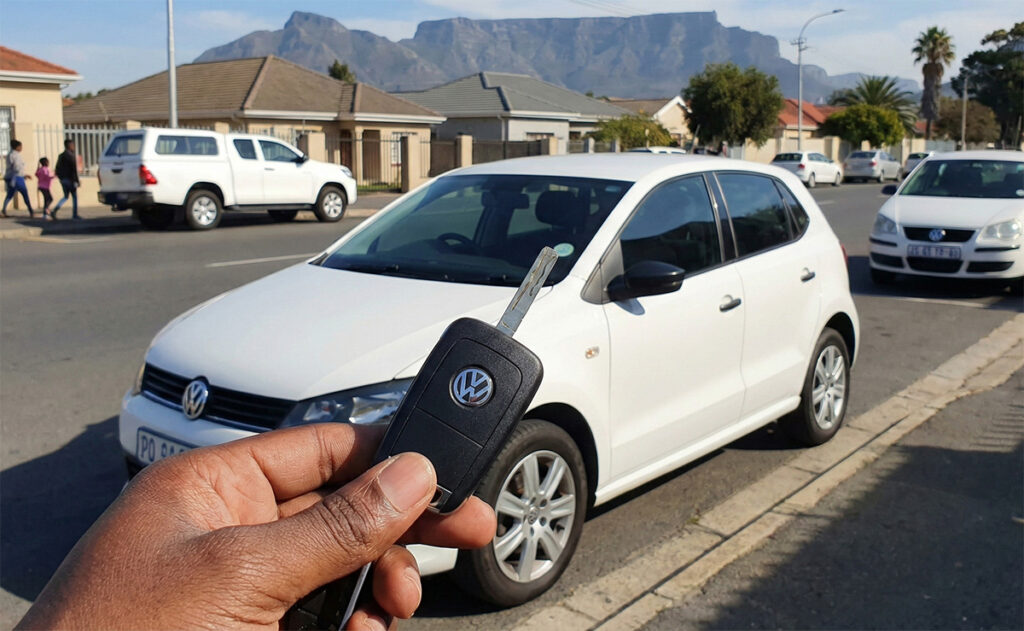
The Three Flavours of Cover
In South Africa, car insurance generally comes in three levels. Understanding the difference is critical because the price difference is massive, but so is the risk.
1. Comprehensive Insurance (The “Sleep Well” Option)
This is the gold standard.
- What it covers: Everything. It covers damage to your car (if you hit a wall), theft, hijacking, fire, and—crucially—damage to other people’s cars (Third-Party).
- Who needs it: If your car is financed—a typical situation when buying your first car in SA where the bank still owns the asset—this is mandatory. The bank will not let you drive the car off the floor without it. Even if your car is paid off, if you cannot afford to replace it tomorrow with cash, you need this.
2. Third-Party, Fire, and Theft (The Middle Child)
This is a hybrid option that is often overlooked.
- What it covers: It pays out if your car is stolen or burns down. It also pays if you crash into someone else.
- What it does NOT cover: Accidental damage to your car. If you slide on a wet road and hit a tree, the insurer will fix the tree, but you are walking to work.
- Who needs it: People with older cars that are paid off, who are worried about theft (high risk in SA) but are willing to take the risk of paying for their own dents.
3. Third-Party Only (The Bare Minimum)
This is the cheapest option, often costing as little as R150 – R200 a month.
- What it covers: Only the damage you cause to other people/property.
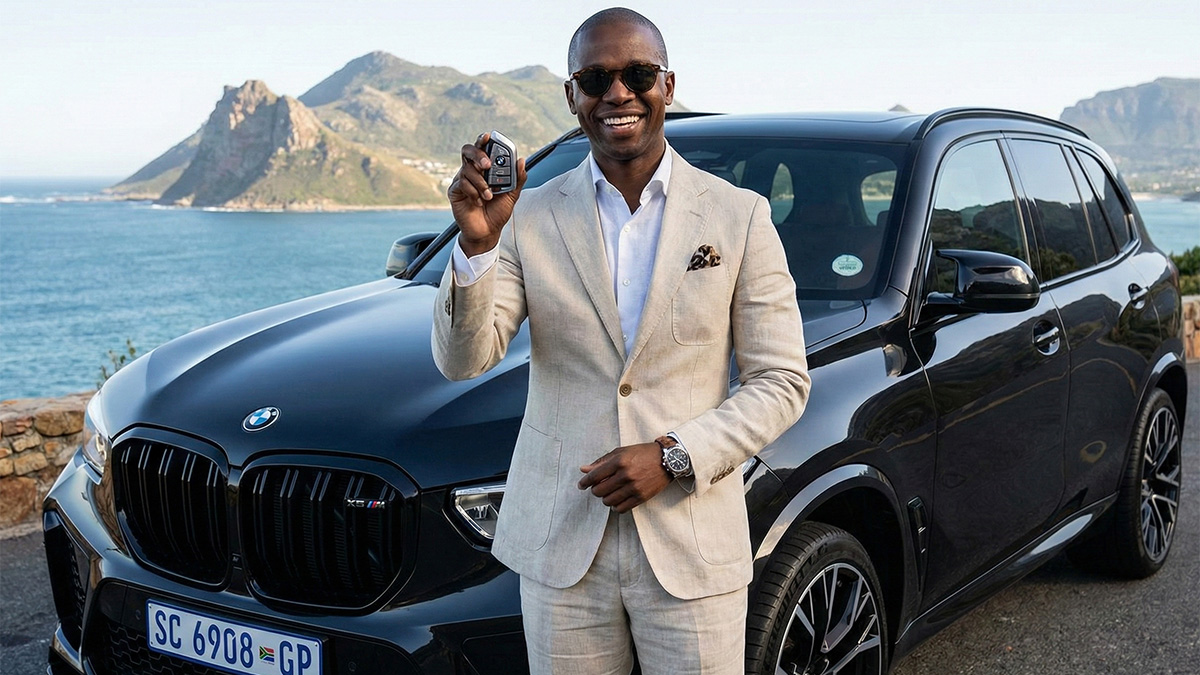
- The Scenario: You skip a stop street and T-bone a brand new BMW X5. The damage to the BMW is R400,000. Your Third-Party insurance pays the R400,000 to the BMW driver.
- What about your car? You get zero. You have to fix your own car or scrap it.
- Who needs it: Everyone who drives a “skedonk” (an old, low-value car). If your car is worth R30,000, paying R1,000 a month for comprehensive insurance doesn’t make sense. But you must have Third-Party to protect yourself from liability.
Comparison Table: What Are You Paying For?
Car Insurance Decoded: What Are You Actually Paying For?
| Feature | Comprehensive | 3rd Party, Fire & Theft | 3rd Party Only |
|---|---|---|---|
| Fixes YOUR car | ✅ Yes | ❌ No | ❌ No |
| Hijacked / Stolen | ✅ Yes | ✅ Yes | ❌ No |
| Damage to OTHERS | ✅ Yes | ✅ Yes | ✅ Yes |
| Hail / Flood | ✅ Yes | ⚠️ Check Policy | ❌ No |
| Typical Cost | High (R800+) | Medium (R400+) | Low (R150+) |
The “Excess” Trap
This is where people get caught. The Excess is the “first amount payable” by you when you claim.
- Scenario: You have an accident. Damage is R20,000. Your excess is R5,000.
- The Payout: The insurer pays R15,000. You pay R5,000.
Nolan’s Strategy:
You can lower your monthly premium by choosing a higher excess. If you have a solid Emergency Fund saved up, increase your excess to R10,000. This can drop your monthly premium significantly. But be warned: do not choose an excess you cannot afford to pay on the spot!
Why “Retail Value” Matters
When you insure your car, you will be asked if you want to insure it for “Trade,” “Market,” or “Retail” value.
- Trade Value: What a dealer would give you for the car (Lowest).
- Retail Value: What it would cost to buy the same car from a dealer (Highest).
Always insure for Retail Value. If your car is stolen, you want enough money to go buy another one, not the low-ball amount a dealer would offer you as a trade-in. You can check your vehicle’s value using reliable online tools or the AA South Africa value calculator.
How to Lower Your Premiums (Legitimately)
You don’t have to accept the first price you see. Here is how to negotiate:
- Combine Policies: Put your car and household contents on the same policy. Insurers often give a discount.
- Install a Tracker: For high-risk cars (like Polos or Hiluxes), a tracking device is often mandatory, but even if it isn’t, it can lower premiums.
- Secure Parking: If you park in a locked garage at night versus on the street, let your insurer know. It reduces the theft risk.
- Shop Around Yearly: Loyalty does not pay in the insurance game. Every year, get a quote from a competitor. If it’s cheaper, call your current insurer and ask them to match it.
The Ombudsman: Your Big Brother
If you ever have a dispute—maybe an insurer refuses to pay a claim because you “didn’t lock the gate”—you have recourse. The Ombudsman for Short-Term Insurance (OSTI) is an independent body that fights for consumers. They handle thousands of complaints a year and ensure insurers play fair.
Don’t Drive Naked
Driving without insurance in South Africa is like skydiving without a parachute. You might enjoy the view for a while, but the landing is going to be messy.
If you are broke, at the very least, get Third-Party Only. It costs less than a takeaway meal for a family, and it protects you from a R500,000 lawsuit if you accidentally hit a luxury car. It is the single most responsible financial decision you can make as a driver.
Useful sources

Nolan Pillay
Personal Finance Coach
Nolan Pillay is a certified personal finance coach who helps South Africans take control of their money. He covers budgeting, saving, debt management, and financial planning for families. His practical approach focuses on real results for real people.
Credentials: Certified Financial Planner (CFP)
Related reading

Medical Aid vs. Medical Insurance: What’s the Difference?
If you have ever stood in a Dis-Chem aisle staring at a brochure, or scrolled through Facebook ads promising “Private Healthcare from R400,” you have likely been caught in the trap.

Credit Scores in SA: How to Check and Improve Your Rating
There is a specific kind of sinking feeling you get when you apply for a cellphone contract, a car loan, or a bond, and the consultant comes back with that awkward look on their face.

Filing Your Tax Return: A Simple Guide to SARS eFiling
There is a specific time of year in South Africa that triggers a collective spike in blood pressure.