Loading...
The Art of Living Well in South Africa: Comfort, Culture, and the Soft Life

How to embrace the Soft Life in South Africa: comfort, culture, and calm rituals — braais, road trips, nature, and a home that feels good in 2026.
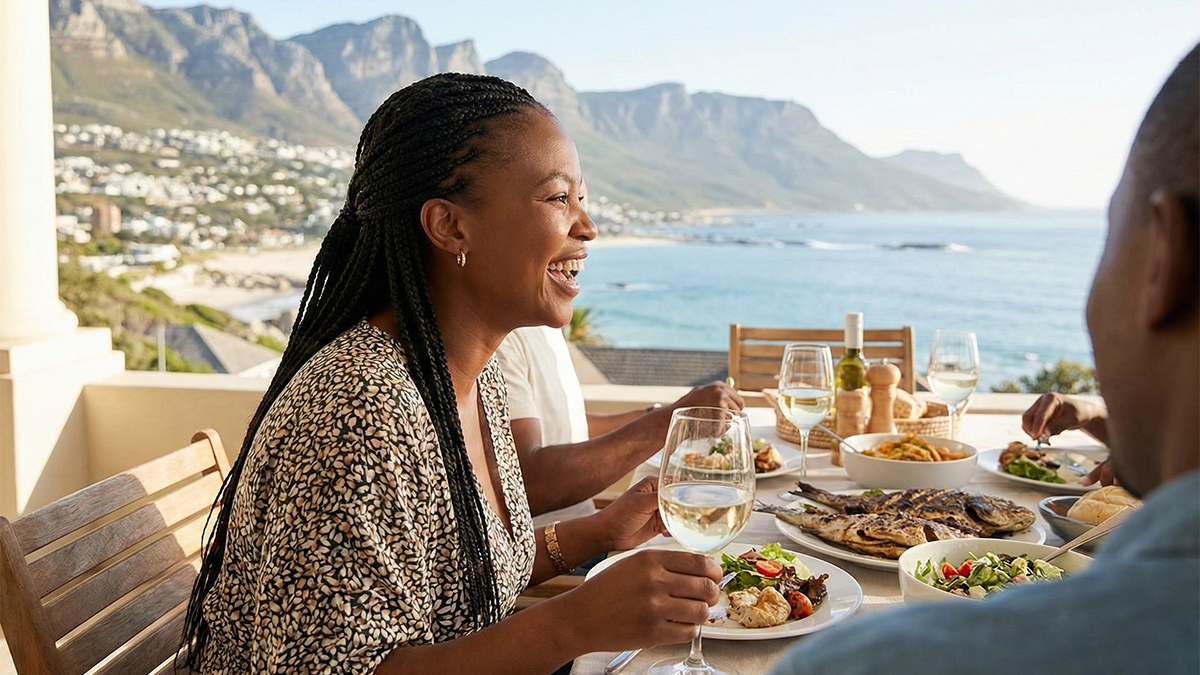
Let’s be real, Mzansi. We all crave that “Soft Life.” You know exactly what we’re talking about — slow champagne breakfasts above Camp’s Bay, gentle road trips along the Garden Route, sundowners that turn into long conversations on a stoep somewhere.
We also know the reality of our beautiful, chaotic country. Load shedding has rewritten our routines. Traffic in Mzansi is a thief of joy. And the pace of life from Jozi to Durbs can leave even the most relaxed person feeling a little frayed by Friday.
But here is the secret I’ve learned from the busy streets of Sandton to the quiet promenades of Sea Point: Living well in South Africa isn’t strictly about what you have; it’s about how intentionally you spend your time, your energy, and your attention.
It is entirely possible to find that sweet spot where comfort meets culture and your weeks feel like yours again. Whether you’re a young pro in Sandton trying to slow down, or a family in Durbs craving easier weekends, this guide is your blueprint — from hosting low-key gatherings to choosing a calmer postcode, to the morning rituals that change the whole tone of your day. Because honestly, living well in South Africa is an art form, and it’s time you became a master artist.
What Does “Living Well” Actually Mean in 2026?
Gone are the days when “living well” meant parking a shiny German sedan in the driveway while eating 2-minute noodles behind closed doors. In 2026, the definition has shifted. We are seeing a massive move towards experience-led living — fewer things, more moments.
Living well in South Africa now means having the freedom to enjoy a spontaneous weekend away, the health to hike Lion’s Head at sunrise, and the peace of mind that comes from a home and a calendar that actually feel manageable. It is less about accumulation and more about optimization. It’s about leveraging the tools, tech, and natural beauty Mzansi offers — much of it free — to build a lifestyle that feels premium without being precious.
The Mindset Shift: Comfort vs. Clutter
To truly succeed at living well in South Africa, you must prioritise joy over junk. Do you really need the latest phone the day it drops, or would you rather have a calmer Saturday morning routine that you actually look forward to?
- Comfort: Quality bedding (thread count matters), good coffee at home, reliable wi-fi, fresh seasonal food, a couch you can actually disappear into.
- Clutter: Fast fashion that falls apart in two washes, unused streaming subscriptions, and “keeping up with the Joneses” energy that brings zero long-term happiness.
Little-known trick: Audit your “joy-to-effort” ratio. Look back at the last month. Highlight the three days that felt the best. I bet they weren’t the busiest or the most expensive.
Mastering the Vibe (Without Killing the Joy)
You cannot sustain living well in South Africa if your week is one long sprint. The “Soft Life” requires soft strategy — small, repeatable choices that protect your energy, not just your schedule.
1. The Ritual Game: Your Second Calendar
The people I know who live the best in this country aren’t the ones with the most plans. They’re the ones with the best rituals. Anchors in the week you actually look forward to.
- Morning anchor: A walk, a stretch, a slow coffee on the stoep — same time, every day. (If you need a template, the twenty-minute morning routine for a calm, focused day is a clean place to start.)
- Midweek anchor: Wednesday yoga, run club, or a long phone call with someone you love.
- Weekend anchor: Saturday market, Sunday braai, or just an unhurried lie-in with the door closed.
The Strategy: Pick three anchors and protect them like meetings. Don’t spread your “good time” across a chaotic week. Centralise the calm into a few moments that always happen — they’ll do more for your sanity than another night out.
2. Smart Shopping: The “Quality + Convenience” Hybrid
We all love the quality of Woolworths — the rotisserie chicken is legendary for a reason. We also love Checkers Sixty60 because, let’s be honest, sometimes you just want supper to arrive. The trend for those living well in South Africa is hybrid shopping focused on quality and ease.
- Buy bulk where it makes sense: Non-perishables you’ll definitely use — rice, washing powder, cleaning stuff — from wholesalers or Makro.
- Buy fresh where quality matters: Specific treat items (that one cheese, organic avo, the bread you actually like) where it counts.
- Use delivery on purpose, not by default: Save it for the Sunday afternoon meal-prep rescue or the late Tuesday night when cooking just isn’t happening.
Lifestyle Comparison
| Daily Choice | The “Hard Life” Approach | The “Living Well” Approach |
|---|---|---|
| Mornings | Phone in hand before feet hit the floor | A 10-minute window before the day starts |
| Groceries | Daily “run to the shop,” cart full of impulse | Weekly hybrid shop with a calm list |
| Movement | Crash diets + on-and-off gym intensity | A weekly rhythm you actually keep |
| Coffee | A grab-and-go on the road | A home machine plus the occasional ritual takeaway |
Housing and Comfort: Creating Your Sanctuary
When we talk about living well in South Africa, your home environment plays a massive role. It needs to be your sanctuary away from the noise of the city — somewhere you can actually exhale.
Energy Independence as a Lifestyle Upgrade
In 2026, backup power isn’t just about avoiding the annoyance of load shedding — it’s a calm-protection layer. When the grid wobbles, your home stays warm, your dinner stays cooked, your child’s homework keeps going, and you don’t spend an entire evening on edge.
Even small changes protect your comfort:
- Gas hobs: So you can still cook that potjie when the grid is down.
- Solar geysers: A warm shower, no matter what stage we’re on.
- UPS for wi-fi: Essential. You can’t stream that series, take a meeting, or sit in a quiet, lit room if the router is dead.
Location vs. Space
The age-old debate continues. Is it better to have a small apartment in a walkable area like Sea Point or Rosebank, or a bigger home in the suburbs? Living well in South Africa often favours convenience over square footage. Being close to work, parks, and culture cuts down on commute time — and as we said, traffic in Mzansi is a thief of joy. Reclaim your time, and you reclaim your life.
Local Luxury: How to Holiday Like a Mogul
You do not need a passport to find paradise. South Africa is consistently ranked as one of the most beautiful travel destinations in the world for foreigners, yet we locals often overlook what is right in our backyard. Living well in South Africa means actually exploring it.
The “Sho’t Left” Revolution
Local travel is having a moment. The KZN South Coast, the Wild Coast, the small towns of the Karoo, and the back roads of the Drakensberg are incredible. They offer Blue Flag beaches, big-sky nature reserves, and the kind of slow weekends that feel like medicine.
Why it works for us:
- No visas: Zero paperwork stress.
- No exchange-rate stress: Just plan, drive, arrive.
- Road-trip culture: Our roads (mostly) allow for epic self-drive adventures.
Off-Peak is the New Peak
Do you want to stay at that 5-star lodge in the Pilanesberg? Go mid-week or in May/September. You get the same luxury, the same animals, and far fewer crowds. The “Green Season” (summer in game reserves) is lush, beautiful, and quieter than the dry winter peak.
Smart shortcut: Look for “resident rates.” Many luxury lodges quietly offer local rates for SA ID holders that don’t appear on international booking sites. Always call and ask, “Do you have a local rate?”
The Culture Fix: Eating, Drinking, and Being Merry
Living well in South Africa is synonymous with socialising. We are a gregarious nation; we love our people. But the trick is keeping the chillas alive in a way that fits the week, not derails it.
The Renaissance of the Braai
The braai has always been our heritage. In 2026, it’s also our favourite low-pressure way to host — premium vibes, zero theatrics. Cooking outside lets you control the pace, the menu, and the energy.
- Potluck style: It’s standard protocol now. You bring the fire, the pap, and the chakalaka; guests bring their own meat and drinks. Everyone eats like a king, nobody is run off their feet.
- Local butchers: Skip the supermarket meat aisle. Find a local butcher in your area — the quality is often superior (farm-fresh), the experience is friendlier, and your braai turns into a tradition.
Dining Out: The “Share-Plates” Strategy
When you do go out, chase the specials. South African restaurants have incredible “date night” specials (often Tuesdays or Thursdays). Also, consider the “tapas” approach — order three starters to share instead of two massive mains. You get to taste more, talk more, and avoid the “food coma.”
Wellness and Mental Wealth
You can have all the time in the world, but if you’re stressed out, burnt out, and anxious, you are not living well in South Africa. Mental wealth is the new currency.
The Rise of the Digital Detox
A major trend for 2026 is the “Quietcation.” We are constantly plugged in, and it’s frying our nerves.
- The fix: You don’t need an elaborate retreat. South Africa has incredible hiking trails that are free. Lion’s Head, the Drakensberg amphitheatre, or just your local botanical garden.
- Nature is free: We have some of the best public beaches in the world. A Saturday morning swim in the ocean or a walk in the forest costs nothing — and adds more to your mood than another scroll session ever will.
Investing in “Me-Time”
Living well in South Africa means setting boundaries. It means saying “no” to events you don’t want to attend so you can say “yes” to a Sunday morning lie-in. It’s about building a life you don’t need to escape from. (For a solo version of that, see solo dates in Durban — small reset rituals, no audience required.)
Fashion and Style: Local is Lekker
Looking good is part of the package. But you don’t need to be dripping in international designer labels to feel stylish. The creative economy in Mzansi is on fire.
Supporting local designers isn’t just a feel-good move; it’s a style flex. Brands like Maxhosa, Thebe Magugu, and the streetwear startups around Braamfontein offer unique pieces that last longer and feel like something.
- Thrifting: It’s huge. Exploring vintage markets in Woodstock or Melville is a proper Saturday activity that ends in unique pieces nobody else owns.
- Capsule wardrobe: Invest in quality basics (good denim, white tees, a solid jacket) and rotate in a few seasonal pieces. Less laundry, fewer choices, more time.
Your Best Life is Waiting
Ultimately, living well in South Africa is a choice. It requires a bit of creativity, a bit of “street smarts,” and a lot of appreciation for what we already have. It’s about realising that a sunset over the Atlantic, a perfectly braaied chop, and a long laugh with friends are world-class experiences that don’t require a world-class anything.
So, adjust your mindset. Trim the boring stuff (admin, noise, optional plans you’ve been dreading) so you can pour energy into the moments that actually feel like life. Plan that road trip, book that walk, set that anchor — and start living well in South Africa today. You deserve the Soft Life, and it’s closer than you think.
Ready to upgrade your week? Pick one anchor — morning, midweek, or weekend — and commit to it for the next 30 days. The Soft Life starts with a single calm habit.
Useful sources

Thando Mokoena
Lifestyle Writer
Thando Mokoena is a lifestyle writer who explores how South Africans can live well without breaking the bank. From side hustles and money-saving apps to cultural experiences and wellness, she covers the intersection of lifestyle and smart financial choices.
Related reading

The 20-Minute Morning Routine: How to Start Your Day Calm and Focused
A simple 20-minute morning routine for South African weekdays — hydration, light, breath, and a small daily anchor that calms the day ahead.
Digital Nomad Life: Top SA Towns with Fibre and Vibes
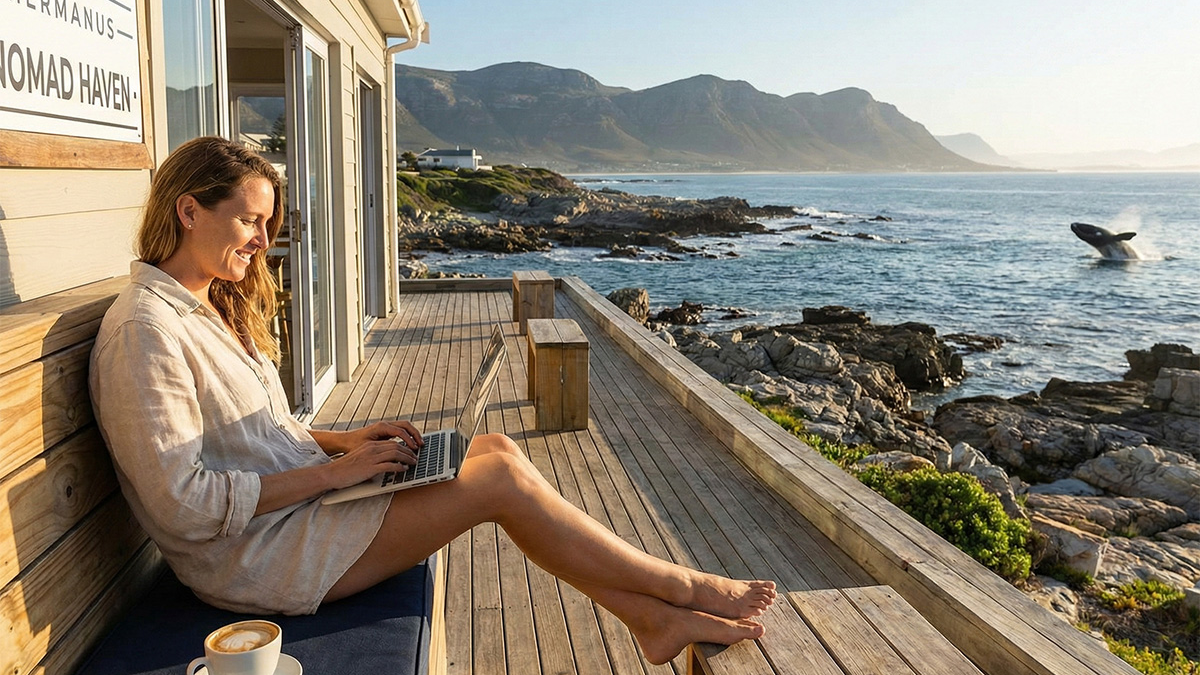
Imagine this: It is Tuesday morning. Instead of staring at the bumper of the car in front of you on the N1 or the M4, you are sipping a flat white on a balcony.
Solo Dates in Durban: Rediscovering Yourself and the City
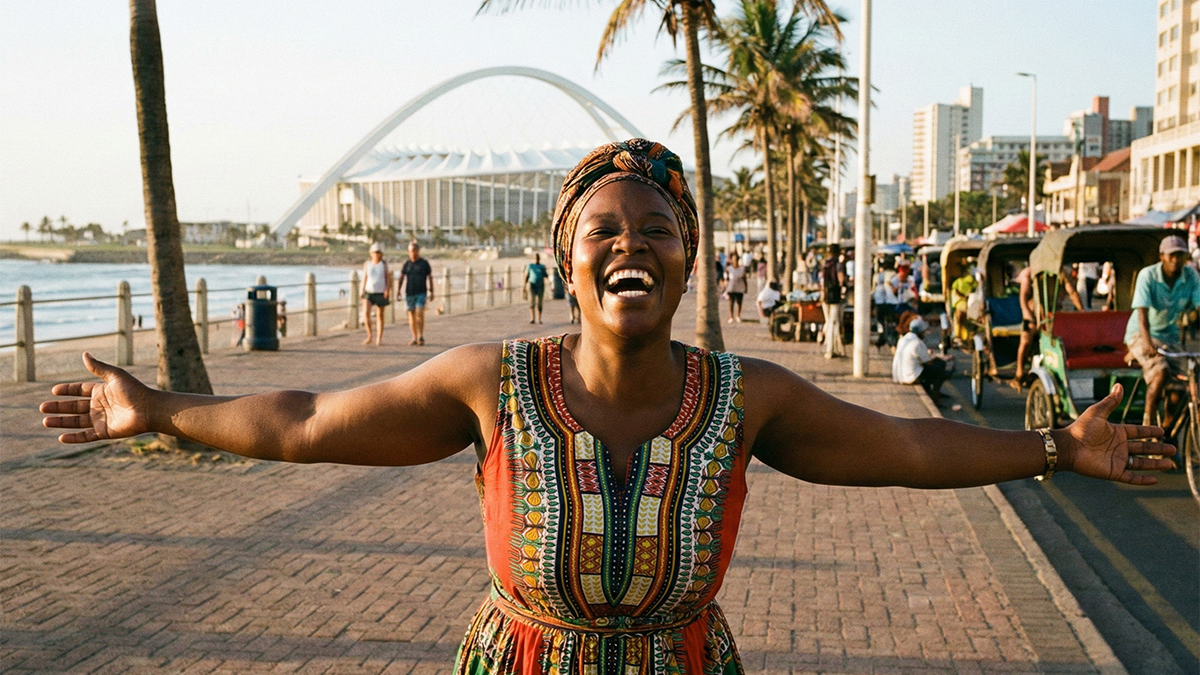
There is a specific kind of magic that hangs in the Durban air. It’s in the humidity that wraps around you like a warm blanket.